

Finding a book that feels like a gift, not just an object, comes down to matching it to a moment in someone’s life, think a daily meditation book for someone navigating a busy career, a beautifully illustrated children’s book for a graduation, or a powerful business parable for an aspiring leader. Whether you are shopping for a mentor, a graduate, or someone who needs a dose of inspiration, the right book is more about the conversation it starts than the pages it contains.
So I went through the best books to give as gifts carefully, cutting anything that felt generic and keeping only the ones that are genuinely impactful or spark real reflection. Each pick here earned its place on deep research and its UGI Score, a rating based on how well a title fits real recipients and occasions, which is how I keep this list honest rather than padded. My top picks are just below.
My Top Picks

- +Massive 704-page volume offers deep content for the price
- +Hardcover format feels like a substantial, quality gift
- +Broad topic range ensures something for almost every interest
- −Information is presented in short snippets, not in-depth articles
- −The sheer volume can feel overwhelming to some readers
- −Some facts may become dated as pop culture and science evolve
I see this book as a standout gift for the naturally curious person in your life. It's a substantial 704-page hardcover filled with bite-sized facts across more than twenty topics, from history to pop culture to science. This isn't a book meant to be read cover-to-cover, but rather one to dip into repeatedly, making it perfect for a coffee table or bedside stand.
I'd give this to someone who lights up when sharing a weird fact or who always has a question about how things work. It fits birthdays, holidays, or as a just-because gift for a knowledge seeker. The broad scope means whether they're into movies, American landmarks, or strange sporting events, they'll find engaging material.
The main trade-off here is depth. This is a collection of factoids and short articles, not a scholarly deep dive into any single subject. For the person who prefers long-form nonfiction, this might feel scattered. However, for casual reading and sparking conversation, it delivers exactly what it promises: a reliable source of unusual and entertaining knowledge.

- +Presents a universally respected message of resilience and discipline.
- +The compact size and price make it an easy, thoughtful add-on gift.
- +Its high rating and bestseller status signal a widely appreciated read.
- −The message is quite direct and may not suit someone preferring light entertainment.
- −It's a short, simple book, not a deep or academic self-help treatise.
- −The military anecdotes, while inspiring, are a specific framing for the advice.
I rate Make Your Bed a strong pick when you want to give a gift of encouragement more than an object. It distills Admiral McRaven's famous commencement speech into a book of practical, no-frills wisdom, making it feel more like a heartfelt note than a generic present.
I'd give this to someone at a clear inflection point, like a graduate, someone starting a new job, or even a friend navigating a tough time. The advice is grounded in military discipline but translates to everyday resilience, so it lands for anyone who appreciates straightforward guidance. It's the kind of book that gets read quickly but can be kept on a shelf as a meaningful token.
The main trade-off here is its tone. This isn't a fluffy or purely entertaining read. I see it working best for someone with a practical, no-nonsense mindset who is open to a little structure and motivation. For my money, it suits a planned, thoughtful gift more than a last-minute impulse buy.

- +Offers a tangible tool for finding purpose, not just abstract advice
- +Presents a gentle, accessible philosophy suitable for any age
- +Provides practical, actionable steps alongside the core concept
- −The core philosophy is simple; the book expands on it with examples
- −It's a book of ideas, not a physical object with decorative value
- −Some concepts may feel familiar to readers of other self-help books
I see Ikigai as a gift of perspective, ideal for someone who seems to be searching for more meaning or joy in their daily life. It translates a beautiful Japanese philosophy into a practical guide, making it more actionable than a typical inspirational book.
I'd give this to a friend who's feeling stuck in their job, a family member entering retirement, or anyone celebrating a milestone birthday who might be reflecting on their path. It's the kind of gift that gets read, marked up, and returned to during moments of doubt or transition.
The main trade-off is that it's a book of ideas. Its value is entirely in the reading and application, so it suits a recipient who enjoys thoughtful non-fiction. For my money, this is a strong pick for a meaningful, low-pressure gift that shows you care about their inner world, not just giving another object.
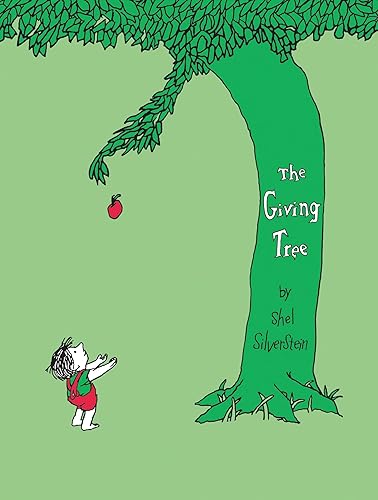
- +Its timeless, universally understood message resonates with all ages.
- +The simple, classic presentation makes it an elegant and enduring keepsake.
- +Offers a moment of quiet reflection, which is rare in modern gifting.
- −The story's melancholic tone may not suit every celebratory mood.
- −It's a familiar classic, so the recipient may already own a copy.
- −The parable is open to interpretation, which could lead to mixed feelings.
I see The Giving Tree as one of the most enduring symbolic gifts you can give. Its strength isn't in novelty, but in its ability to spark conversation and reflection about generosity, love, and time. This makes it far more than just a children's book; it's a piece of shared cultural language.
I'd give this to mark a true life transition, like a graduation, a new baby, or a retirement. It works best for someone who values sentiment and doesn't need a flashy present. The book becomes a physical token of a relationship, meant to be read, re-read, and passed down.
However, its suitability depends entirely on the recipient. The story's bittersweet and sacrificial nature can be deeply moving for some but feel somber for others expecting pure celebration. It's a gift that requires knowing the person will appreciate its nuanced message.
For my money, this is a strong pick for a planned, thoughtful gift rather than a last-minute one. Its value lies in the intention behind it and the lifelong conversation it can represent.


- +Explores universal themes of generosity and human connection.
- +Bestseller status and critical acclaim signal a widely appreciated story.
- +Accessible, character-driven plot that focuses on everyday lives.
- −Purely a story gift, lacking a physical or interactive component.
- −Plot centers on quiet introspection, not suited for action-loving readers.
- −Specific Southern setting may not resonate with all readers equally.
I see Theo of Golden as a standout gift for the reader in your life who cherishes stories about human connection. Its core strength is how it transforms the simple act of giving a book into a conversation about kindness and seeing the people around us.
I'd give this to a thoughtful friend or a book club member, as it's perfectly suited for birthdays or just because. The novel's focus on community and shared stories makes it feel personal, like you're gifting a moment of reflection. It works best for someone who enjoys literary fiction and character-driven plots they can discuss afterward.
The main trade-off is its nature as a traditional novel. This is purely a story to be read and felt, not an object to be used or displayed. It won't suit someone who primarily reads fast-paced thrillers or exclusively non-fiction.
For my money, this is a strong pick when you want to give something meaningful that encourages a slower, more contemplative experience. It's a gift that says you see the recipient as someone who appreciates depth and the quiet miracles in ordinary life.

- +Organized by practical categories like emotions and descriptions
- +Provides real usage examples, not just dry word lists
- +Compact and straightforward for daily reference
- −Focuses on common words, not obscure or advanced vocabulary
- −A physical book, not a digital app for quick searching
- −Best for English speakers, not a language-learning tool
I see The Well-Spoken Thesaurus as a practical tool for anyone who wants to communicate more clearly. It works best as a gift for someone who already writes or speaks regularly and wants to refine their style, not for a beginner looking for a basic dictionary.
I'd give this to a recent graduate entering a communications-heavy field, a friend who blogs, or a colleague who drafts important reports. It's the kind of gift that sits on a desk and gets used in the moment, helping someone find just the right word when they're stuck. For holidays or birthdays, it's thoughtful without being overly personal or expensive.
The main trade-off is its scope. It focuses on improving everyday language, so it won't help with highly technical or academic jargon. It's also a physical book, which some might find less convenient than a digital thesaurus. Still, for the right person, its organized, example-driven approach makes it a genuinely helpful resource.


- +Offers a structured, year-long journey with weekly, digestible readings.
- +Translates timeless wisdom into relatable, modern-day scenarios.
- +Requires no prior knowledge, making its lessons widely accessible.
- −Its impact depends entirely on the recipient's willingness to engage.
- −The abstract nature may not appeal to someone seeking actionable, step-by-step advice.
- −The book's value is intangible, which some gift-givers may find less satisfying.
I see The Zen Monkey and the Lotus Flower as a quiet, thoughtful gift for the person in your life who could use a gentle nudge toward peace. Its real strength is providing a structured yet flexible tool for daily reflection, which is why I'd give this to someone feeling mentally cluttered or perpetually busy.
This book works best for birthdays or holidays where you want to give something meaningful rather than material. I'd choose it for a friend who values introspection, enjoys journaling, or simply needs a reason to pause. The weekly story format makes it easy to incorporate into a nightly routine or a quiet morning moment.
Worth noting before you buy: this is not a quick-fix manual. Its value unfolds over time through the recipient's engagement. For someone who prefers direct, practical self-help guides, this narrative approach might feel too abstract.

- +Offers a full year of daily, manageable wisdom bites.
- +Provides timeless advice that feels relevant to modern challenges.
- +The physical book and ribbon marker encourage a daily ritual.
- −The daily format requires consistent engagement to feel valuable.
- −Philosophical content may not suit someone seeking light entertainment.
- −It is a book of ideas, not a hands-on activity or decorative item.
I consider The Daily Stoic a standout gift because it packages ancient, practical wisdom into a modern, accessible daily ritual. It's not just a book to read once; it's a companion designed for daily use, offering a moment of grounding perspective.
I'd give this to someone who is reflective, perhaps starting a new job, facing personal challenges, or simply interested in self-mastery. The 366 daily meditations make it perfect for birthdays or the New Year, symbolizing a fresh start. It works because the recipient engages with it bit by bit, integrating the lessons into daily life.
The main trade-off is that its value is entirely dependent on the recipient's interest in philosophy and daily reading. It's a poor fit for someone who dislikes introspection or prefers purely decorative or experiential gifts. For the right person, however, it's a gift that provides value far beyond a single day.

- +Offers short, accessible lessons that are easy to pick up and put down.
- +Beautiful illustrations make it a visually pleasing object to own.
- +Universal themes make it relevant for a wide range of people.
- −Content is quite simple, not for someone seeking deep philosophical text.
- −The small, gift-book format means it's a quick read.
- −Lacks practical, actionable steps beyond the inspirational lessons.
I see How to Be More Tree as a gentle, uplifting gift book that translates the quiet wisdom of nature into simple life lessons. Its strongest gift appeal is for providing a moment of peaceful reflection away from daily noise. I'd give this to someone who loves nature or needs a reminder to slow down, making it a solid pick for birthdays or just because.
The book works best for a recipient who appreciates short, inspirational readings and beautiful illustrations. It's not a dense manual but a collection of brief insights, perfect for a bedside table or a quiet coffee break. For my money, this suits a friend who enjoys mindfulness or anyone navigating a period of change.
The main trade-off here is depth. The lessons are universal and comforting, but they are presented simply. It won't provide complex guidance or practical exercises. I'd avoid this for someone who prefers substantial nonfiction or detailed self-help strategies. As a gift, its value is in its calming presence and accessible charm, not in transformative advice.
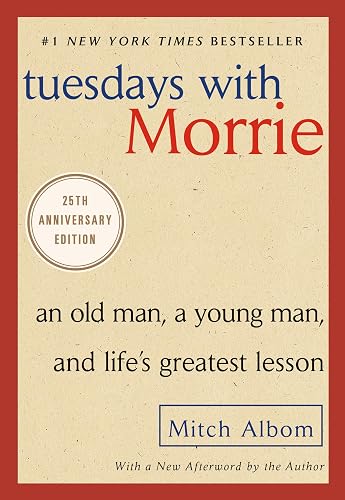
- +Offers universally resonant wisdom on life, love, and loss.
- +Compact and accessible, making it easy to read and share.
- +The anniversary edition includes a new afterword from the author.
- −Its deeply emotional subject matter is not suitable for all readers.
- −The paperback format is less durable for a keepsake gift.
- −The narrative is contemplative, not a fast-paced or light read.
I consider Tuesdays with Morrie a standout gift for its ability to provide comfort and perspective during difficult times. It's the kind of book you give when words of your own feel insufficient, offering a shared language for grief and growth.
I'd give this to someone who is reflective, perhaps a recent graduate, a new parent, or anyone processing a loss. It's a book meant to be read slowly, its lessons absorbed and often discussed, making it a gift that sparks connection.
Worth noting before you buy: this is a serious, emotionally weighty read. It's not a casual beach book or a lighthearted pick-me-up. I see this working best for a planned, meaningful occasion rather than a last-minute choice.

- +Offers a structured, research-based approach to self-acceptance
- +The updated edition includes new tools for practical application
- +Accessible writing style that feels like advice from a friend
- −Requires genuine engagement from the recipient to be effective
- −The concepts may feel repetitive for readers already familiar with Brown's work
- −Not a light read; it demands personal reflection and effort
I rate The Gifts of Imperfection a strong pick for a gift that encourages personal reflection. Its core strength is providing a researched, yet conversational framework for embracing authenticity, which makes it more actionable than a typical self-help book.
I'd give this to someone at a crossroads, like after a career change or during a period of seeking more meaning. It's a book meant to be read slowly and integrated into daily life, not shelved after one pass. The 10th anniversary updates add fresh relevance for both new and returning readers.
The main trade-off is that its value is entirely dependent on the recipient's willingness to do the internal work. It's not a decorative item or a passive experience. I see this working best for a person who is already open to introspection and values guided, structured growth over simple inspiration.

- +Offers short, manageable daily readings that fit into a busy schedule
- +Provides tangible exercises to apply reflections to daily life
- +The poetic, non-dogmatic approach appeals to a wide range of readers
- −The abstract, philosophical style may not suit a strictly practical person
- −It’s a text-heavy book, not a visually-driven coffee table item
- −The gift is intimate, best for someone open to personal reflection
I rate The Book of Awakening a strong pick for a gift when you want to offer comfort and quiet inspiration. It’s not a flashy present, but a deeply considered one for someone who appreciates thoughtful words. The daily-entry format makes it a practical companion, offering a moment of pause each day rather than a book to be finished in one sitting.
I’d give this to a friend who is going through a difficult transition, like a career change, a move, or a period of grief. It’s also a beautiful gift for a birthday or graduation, marking a new beginning. The short exercises included with each entry help turn reflection into action, which many find valuable.
Worth noting before you buy: this is a gift of words and ideas, not an object of function or decoration. It lands best with someone who already enjoys reading and self-reflection. For a person who prefers light entertainment or highly practical guides, this might feel too introspective.


- +Addresses a universal and often unspoken midlife concern with empathy.
- +Offers a substantive, non-cliché alternative to typical celebratory gifts.
- +Presents well as a thoughtful gesture for a milestone occasion.
- −The subject matter is specific and won't suit every taste or personality.
- −It's a gift of ideas, not a physical object the recipient can immediately use.
- −The content requires genuine reflection, so it's not a casual read.
Arthur Brooks' From Strength to Strength is a researched guide for finding purpose later in life, and that's precisely why it makes a thoughtful gift. I'd give this to someone at a crossroads, like a 50th birthday or a career transition, who would appreciate a meaningful conversation starter over another generic present.
Its strength as a gift lies in its practical roadmap and focus on wisdom over worldly success. This isn't just motivational fluff; it's for the person who values depth and is ready to think about their next chapter. I see it working best for a reflective friend, a mentor, or a parent whose kids have left home.
The main trade-off is its specificity. It's a gift of ideas, not an object. It won't land for someone who dislikes introspection or prefers purely celebratory gifts. You're giving a perspective, which requires the recipient to be open to it.

- +Offers timeless, non-prescriptive wisdom applicable to any creative field
- +Presents as a beautiful, substantial book that feels special to receive
- +Encourages a mindset shift rather than just offering quick tips
- −The philosophical approach may feel too abstract for someone seeking practical steps
- −It is a book to be contemplated, not a quick, actionable guide
- −The focus is on the artistic mindset, not on commercial success
I see The Creative Act as a gift that offers something far more valuable than a standard how-to guide. It provides a philosophical framework for anyone who creates, making it a profoundly thoughtful present for when you want to honor someone's creative spirit.
I'd give this to a friend who is a writer, painter, or musician, especially if they're in a season of doubt or transition. It's the kind of book they'll keep on their desk or nightstand, returning to its short chapters for daily reflection and encouragement. It fits beautifully as a graduation, birthday, or holiday gift for that person who thinks deeply about their craft.
Worth noting before you buy: this is not a checklist for success. The main trade-off here is its abstract nature; it's about a way of being, not a list of tasks to complete. Someone looking for a rigid, step-by-step manual might find it frustrating. I rate this a strong pick for the contemplative creator, not the purely pragmatic one.

- +Delivers consistent laughs with its absurd, satirical premise.
- +An affordable gift that feels more thoughtful than its low price.
- +The compact size makes it easy to gift-wrap or add to a package.
- −The humor is very specific and won't land with everyone.
- −It's a short, simple book, not a substantial or lavish gift.
- −The satirical political angle may not suit all sensibilities.
This book is a satirical humor title disguised as a serious parenting guide for cats. I rate it a strong pick for anyone who loves their pet and enjoys clever, absurdist comedy. It's the kind of gift that gets passed around a room for a laugh, making it perfect for lightening the mood at a birthday party or as a fun holiday surprise.
I see this working best for a specific type of person: the cat lover who doesn't take things too seriously. It's a book they'll display on a shelf for a chuckle, not a deep reference manual. The straightforward Q&A format makes it an easy, engaging read, and its low price point makes it a risk-free choice for a last-minute present.
The main trade-off here is the niche appeal. This is not a gift for someone who prefers heartfelt sentiment or lacks a sense of humor about pet ownership. It's a brief, joke-driven book, so don't expect a long novel or a beautiful coffee table piece. For my money, this suits a very particular recipient, but for them, it's a memorable and fun little surprise.

- +Offers gentle, humorous encouragement without feeling preachy or overwhelming.
- +The hand-drawn illustrations make the advice feel personal and approachable.
- +Its small size and low price make it an easy, low-pressure gift to give.
- −The content is very simple; it may feel too basic for someone seeking deep, actionable advice.
- −It's a short book, so it's more of a quick pick-me-up than a substantial guide.
- −The whimsical frog theme won't resonate with everyone's personal taste.
I see this book as a gentle, visual dose of encouragement, ideal for when words of your own feel hard to find. It translates self-care concepts into friendly, frog-led reminders that are easy to absorb. I'd give this to someone who needs a nudge to be kinder to themselves, perhaps a friend feeling overwhelmed or a young adult navigating new challenges.
Its strength is in presentation. The over 40 hand-drawn illustrations make the advice feel personal and warm, not like a clinical manual. This makes it a thoughtful gift for birthdays or as a just-because token of support, especially for visual learners or those who appreciate art.
Before you buy, know its scope is intentionally light. The life lessons are broad affirmations, not step-by-step strategies. It's a pick-me-up, not a deep dive. For my money, this suits the person who would welcome a charming, low-pressure reminder that it's okay to take a breath.

- +Offers a timeless, positive message that resonates across generations
- +Simple, uplifting text makes it easy to read aloud and share
- +Celebrated illustrations create a visually engaging experience for children
- −Very short length may feel insubstantial for some gift givers
- −Primarily appeals to those who appreciate sentimental, non-material gifts
- −Abstract wishes might not engage children seeking action-packed stories
I see I Wish You More as a modern classic in the gift book category, working best when you want to give heartfelt sentiment rather than a physical object. Its strength lies in offering a collection of positive wishes for curiosity, friendship, and love that can mark any milestone.
I'd give this to celebrate a baby shower or graduation, where its warm, inspirational tone fits perfectly. It also suits a grandparent or educator who values sharing meaningful messages with children during quiet reading time.
The main trade-off here is its brevity. The book is quite short, so it might feel light as a standalone gift for some occasions. I'd pair it with something more substantial for major celebrations.
For my money, this shines as a thoughtful add-on gift or for smaller moments where the sentiment matters most. It's not for every child, but for those who appreciate gentle, uplifting stories, it delivers exactly what it promises.

How to Choose the Right Gift Book
A book only really works as a gift if it fits the person’s current chapter, not just a shelf. A few things separate a present someone actually reads from one that gets a polite thank-you and then collects dust. Here is what is worth thinking through before you buy.
Match the book to their life, not just their interests
The gift books that land are the ones that speak to a season the recipient is in. A new graduate needs different wisdom than someone starting a business, and a parent needs a different kind of inspiration than someone seeking personal growth.
Before you choose, consider what they are navigating right now. A book about courage might fit a career change, while a daily meditation suits someone building a new habit. If the timing feels off, even a great book can miss the mark.
Think about readability and commitment
Gift books should invite the reader in, not feel like homework. A dense academic tone might suit a scholar, but for most occasions, a book with short chapters, clear language, or a compelling narrative is more likely to be enjoyed.
Format matters too. A daily devotional offers a low-commitment way to engage every day, while a single powerful story can be finished in one sitting. Matching the book’s structure to how the person actually spends their time increases the chance it gets read, which is the whole point of giving it.
Once you know the person, the occasion, and what kind of reading experience they would welcome, the right book tends to stand out. From there it is just matching the gift to the moment you want to create for them.
Why You Can Trust These Picks
My recommendations are built from a research-based editorial process, not personal use. I analyze each book’s content, themes, and verified reader ratings across platforms to assess its genuine gifting potential. The UGI Score reflects how well a title fits specific recipients and occasions, helping filter out trendy picks in favor of books with lasting impact.
This method focuses on why a book works as a gift, not just why it is a good read. It prioritizes titles that are thoughtfully designed, from the quality of the binding to the clarity of the message, ensuring your gift feels considered from the moment it is opened.
Final Thoughts
Choosing the right book as a gift is less about literary merit and more about thoughtful alignment. It is finding the title that meets someone where they are, whether they need inspiration, comfort, or a new perspective.
For the most reliably impactful gift, the The Daily Stoic is my Editor’s Pick. Its daily meditation format makes it accessible and deeply personal, ideal for anyone building resilience or navigating a period of change. It is a gift that becomes part of a daily ritual.
If you want the proven crowd-pleaser, the The Subtle Art of Not Giving a F*ck is the clear Best Seller. Its counterintuitive approach to living a good life resonates widely, making it a strong, if direct, choice for a friend or family member who appreciates unfiltered advice. For a gentler, more universal option, a beautifully illustrated book like I Wish You More works beautifully for graduations, birthdays, or as a heartfelt stocking stuffer.
The right book takes the guesswork out of gifting by offering shared meaning, a quality that makes other Gifts by Interest worth exploring for different hobbies. It reassures the recipient that you see not just who they are, but who they are becoming.
FAQs
What is a good gift book for someone who does not read much?
Choose a book with short, standalone entries or a compelling narrative that is easy to pick up. A daily devotional, an illustrated book of quotes, or a powerful short story respects their time while still offering a complete and thoughtful gift experience.
How do you personalize a book gift?
Personalization happens in the inscription, not the title. Write a note on the first page explaining why this specific book made you think of them. Connecting the book’s theme to a shared memory or your hopes for them transforms a standard copy into a unique keepsake.
Is a practical book or an inspirational book a better gift?
It depends on the occasion. A practical book with actionable advice, like one on business or habits, suits a milestone where someone is building something new. An inspirational book about life or philosophy is better for moments of transition or encouragement, where the gift is more about perspective than steps.
What do you get someone who seems to have every book?
Look for a special anniversary edition of a classic they love, a beautiful hardcover from a favorite author they may have missed, or a visually stunning book about a niche interest. The goal is to find a version or a topic that is unique, not just a new title. For more ideas on thoughtful presents, the principles behind choosing handcrafted gifts often apply here too.


Write Your Review
No reviews yet. Be the first to share your experience!